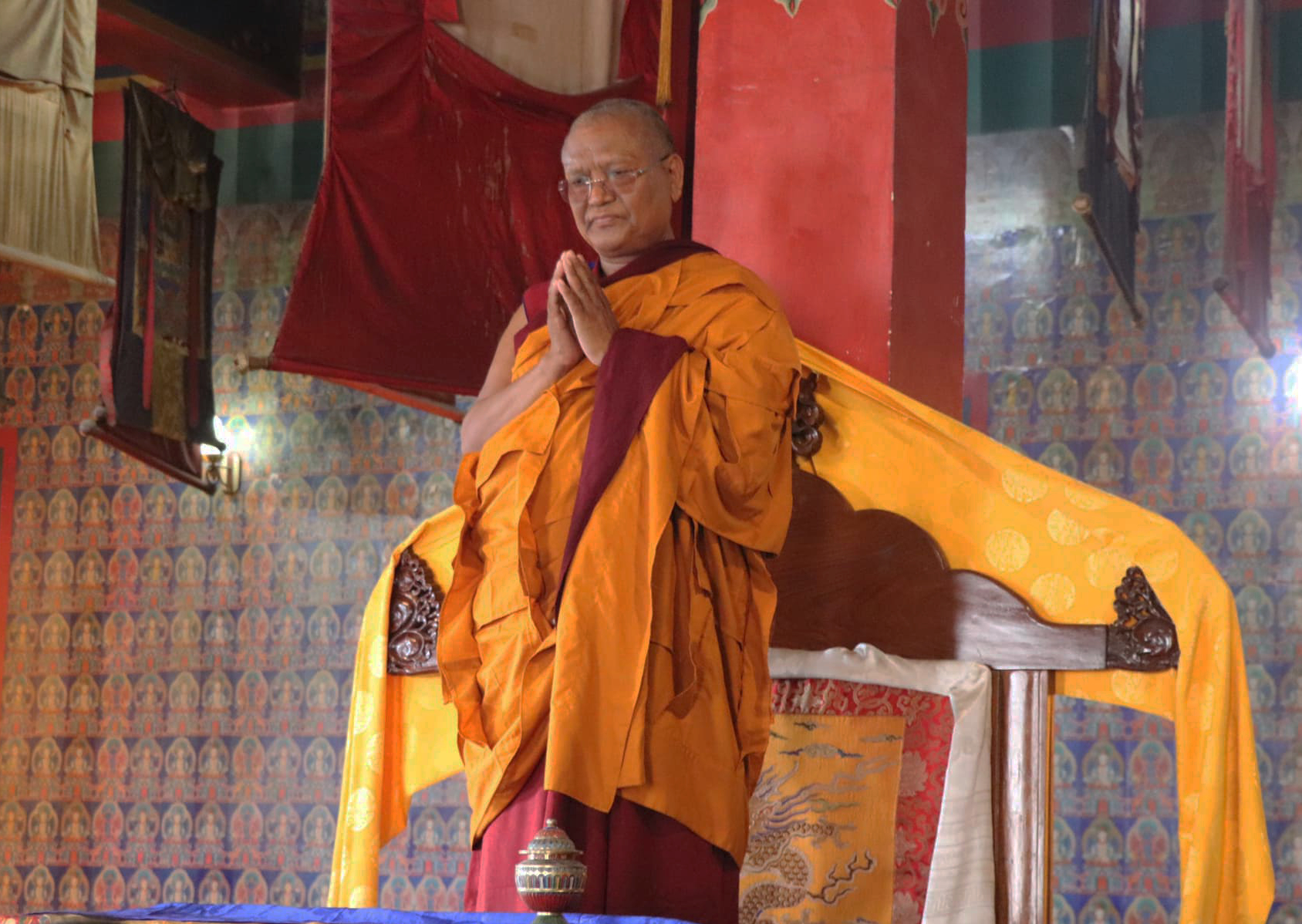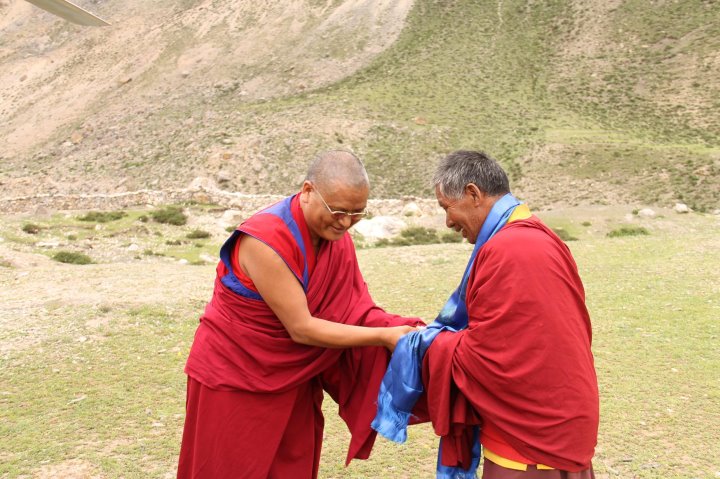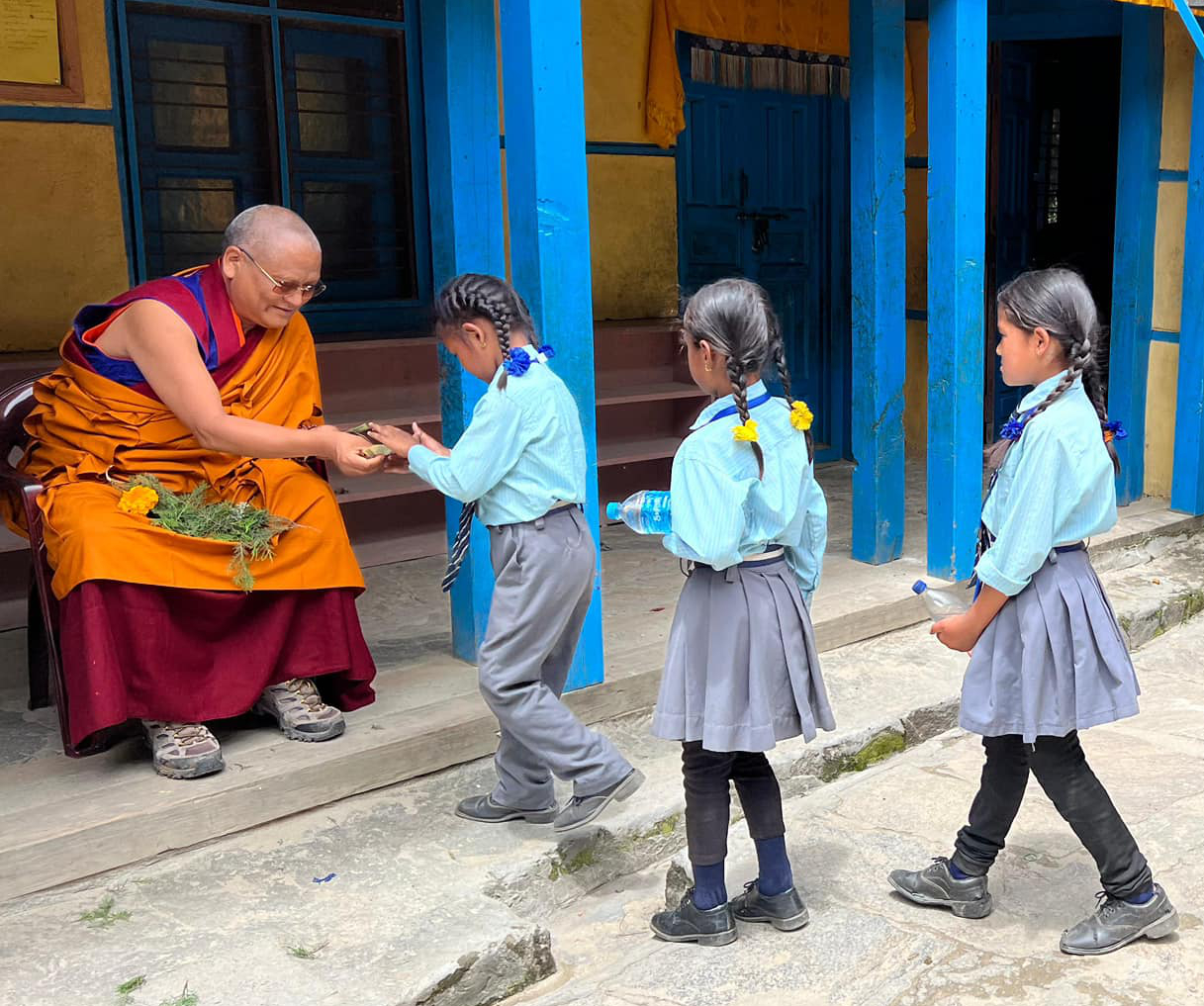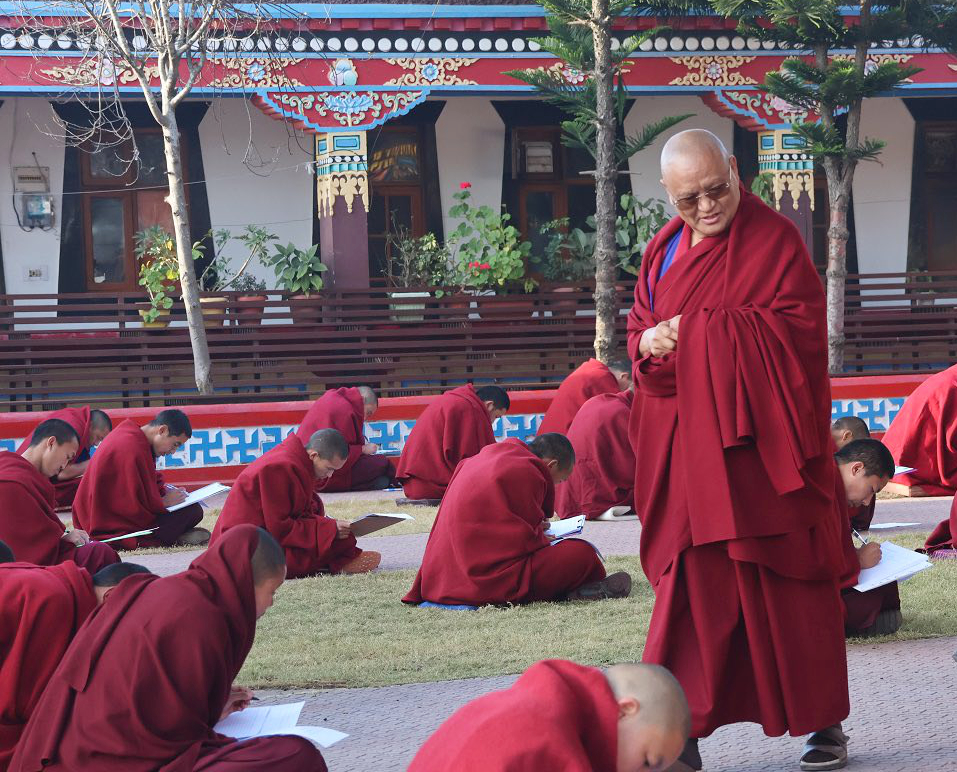
4th Anniversary of the Parinirvana of Buddha Tönpa Shenrap’s Shen Lineage Descendant, Shensé Norbu Wangyal Rinpoche

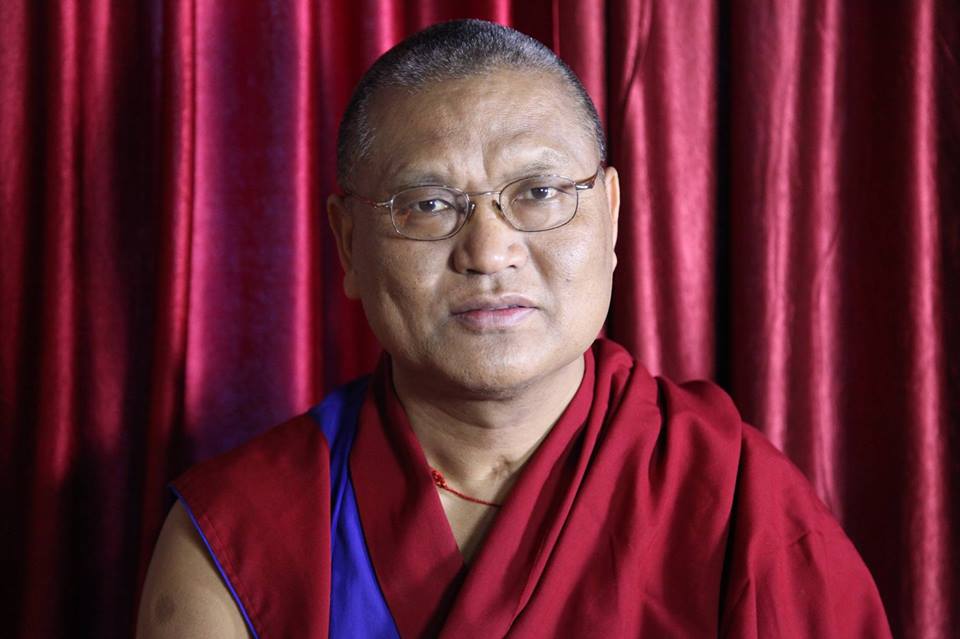
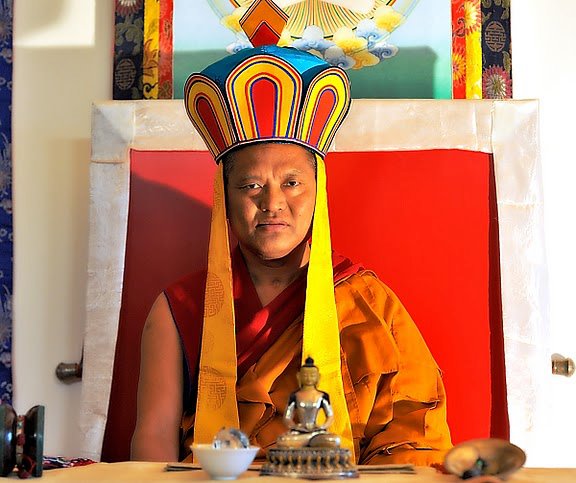
Shensé Norbu Wangyal Rinpoche

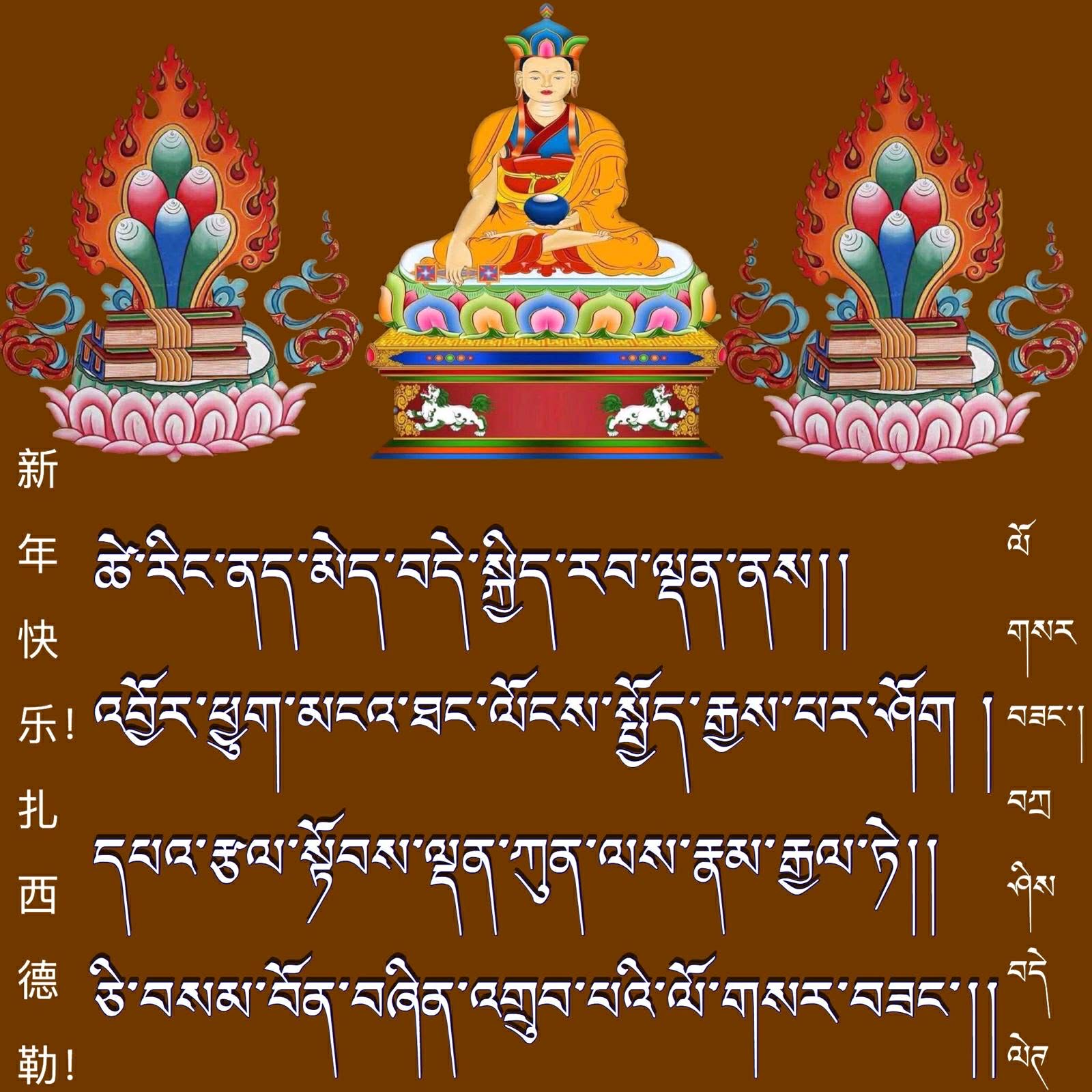
On the 3rd day of the 12th lunar month, February 3rd 2022, the living descendant of the Shen lineage of Buddha Tönpa Shenrap Miwo, Shensé Norbu Wangyal Rinpoche, passed into parinirvana in Lhasa, Tibet. In 2026, this date coincides with January 21st. Over 18,000 years ago, in the ancient realm of Olmo Lungrik, the founder of the Yungdrung Bön spiritual tradition, Lord Tönpa Shenrap Miwoche, was born into the human realm as a prince. He later adopted the life of a monk in order to display the path of renunciation to his followers. Prior to this however, he was married and had sons and daughters. Shensé Norbu Wangyal Rinpoche was a direct descendants of this Shen lineage. At this time, it is appropriate to make offerings, prayers of aspiration, and perform spiritual practice and acts of virtue.

Amazing!

You have the body of Gyalwa Shenrap who tamed the three thousand-fold universe.

You have the genuine, speech of the descendants of Yung Wang.

You have the perfected mind of wisdom and compassion of Lachen Drenpa.

I supplicate at the feet of Shensé Wangyal!


Raven Cypress Wood ©All Rights Reserved. No content, in part or in whole, is allowed to be used without direct permission from the author.

Did you enjoy this content? This article is made possible by generous donors who want content like this to continue to be available. Don’t want to miss a post? Scroll to the bottom and click “Follow this blog.”

Join the mandala of Nine Ways supporters by donating through one of the services listed below.
January 19th: Happy Zhang Zhung New Year!

Ceremonial dance during Zhang Zhung Losar. Photo credit: Unknown

The 1st day of the 12th lunar month is celebrated as New Year’s Day according to the custom of the ancient land of Zhang Zhung. In 2026, this date coincides with January 19th on the Western calendar.

This New Year’s Day, or Losar in the Tibetan language, was celebrated jointly by the countries of Zhang Zhung and Tibet as one of their most important festivals. Even after the fall of the Zhang Zhung empire, the country of Tibet continued to celebrate the “1st month of Spring ruled by the Gyal star” as the start of the New Year. However, during the period of the Mongol-backed Sakya rule of Tibet, use of the Zhang Zhung based calendrical system was ended and the celebration of the Tibetan New Year became known as The Royal New Year. The 1st lunar day of the 1st lunar month was changed to be one month later and began the Tibetan calendrical system. In 2026, this lunar day coincides with February 18th.

Still, Zhang Zhung New Year, also known as Bön Losar, Sonam Losar (Agricultural New Year) by farmers, or as Lambing New Year by nomads, continues to be widely celebrated throughout many areas of Dolpo, Nepal, India, Ladakh, and Tibet. This is an important celebration and preservation of an ancient culture. For those celebrating today as New Year’s Day it is the beginning of the Year of the Male Fire Horse.

Menri Monastery has issued an announcement that due to the recent parinirvana of His Eminence Yongdzin Tenzin Namdak Rinpoche, the New Year celebrations this year will be subdued and kept to the religious observations and without the usual entertainment.

Fumigation offering for New Year at Menri Monastery

Raven Cypress Wood ©All Rights Reserved. No content, in part or in whole, is allowed to be used without direct permission from the author.

Did you enjoy this content? This article is made possible by generous donors who want content like this to continue to be available. Don’t want to miss a post? Scroll to the bottom and click “Follow this blog.”

Join the mandala of Nine Ways supporters by donating through one of the services listed below.
Menri Monastery’s Annual Rites of the Fierce, Black, Wisdom Stake: Wal Phur Nakpo

His Eminence Menri Yongdzin Yangtön Trinley Nyima Rinpoche performs the rites of Wal Phur Nakpo at Menri Monastery. Photo credit: Unknown

Each year during the 23rd-29th lunar days of the 11th lunar month, monks at Menri Monastery undergo a seven-day intensive retreat for the enlightened fierce deity and tantric yidam Wal Phur Nakpo. In 2026, these dates coincide with January 11th-17th. This deity is the black-colored manifestation of Phurba.

From the Father Tantra, there is a group of five yidams, or meditational deities, that are collectively known as the Sé Khar Chok Nga, The Five Supreme Citadels or The Five Supreme Embodiments. Collectively, these dzok ku deities are the manifestation of Buddha Tönpa Shenrap’s enlightened body, speech, mind, quality, and activity. The manifestation of enlightened activity is embodied by Walsé Chempa who is also known as Phurba. Because he is the yidam of enlightened activity, he automatically becomes the yidam deity of every Menri Trizin. (For more information about the Sé Khar Chok Nga, see previous article: https://ravencypresswood.com/2016/06/05/the-five-supreme-embodiments/)

The term phurba has most often been translated as dagger or sacred dagger. However, it is more precisely a sacred stake or peg that is used to suppress or overpower negative forces and obstacles. From a commentary regarding the meaning of the Wal Phur Nakpo practice:

“Regarding the meaning of being called Phur: because all impure karma and afflictive emotions are staked within the pure enlightened body and its complete non-conceptual wisdom, he is called Phur, The Stake.

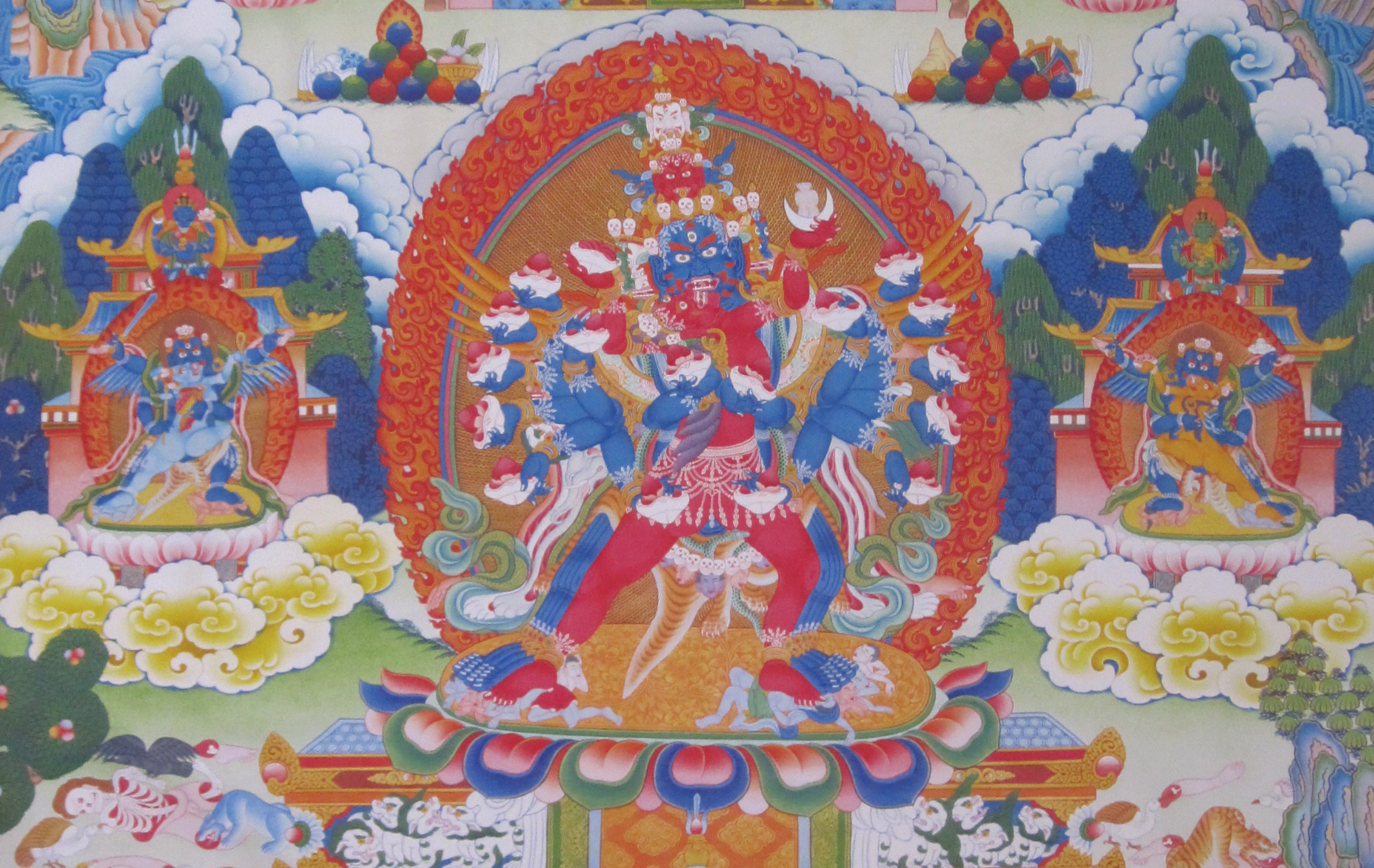
The yidam Wal Phur Nakpo has three faces, six arms, and each hand holds a phurba. He and his consort’s body are joined below the waist and form a single phurba adorned with snakes. The top of the phurba has a four-cornered wisdom-knot. Below the knot is a crocodile with a protruding, vicious face that symbolizes the destruction of all impure karma and afflictive emotions. Below that, the enlightened body, speech, and mind of the yidam are inseparably united as the symbolic three edged, pointed blade. The three blades terminating into a single, sharp point represent the apex of completely fulfilling the four kinds of enlightened activity: peaceful enlightened activity, expansive enlightened activity, powerful enlightened activity, and wrathful enlightened activity.

A Yungdrung Bön monk performs the rites of Wal Phur Nakpo at Menri Monastery. Photo credit: Unknown

The term wal has multiple meanings. The most relevant meanings in this context are that of (1) sharp, bladed, pointed and (2) fierce, wrathful, forceful. From the same commentary as mentioned above,

“Regarding the meaning of being called Wal: externally, he is called Wal because he is the point from which arises the external, common accomplishment of piercing and incinerating every enemy and obstructer that would interfere with manifesting external activity. Internally, he is called Wal because of being the point of great wisdom and performing the uncommon and meaningful activity of incinerating and overcoming all erroneous conceptuality. Therefore, he is called Wal, The Pointed.

Both the yidam and his consort have wings. The retinue includes many assistants and messengers that are winged or actually manifest as hawks.

Trowo Druksé Chempa statue. Ligmincha International private collection. Photo credit: Raven Cypress Wood

“With a magical display of activity and movement that arises from an immovable state, you subdue misleading enemies and obstructers.

Fierce Wal Phur, you directly manifest the enlightened activity of the Wal deities.

Praise for the Wal deity whose divine appearance self-arises from the vast expanse of space in order to quickly accomplish fierce enlightened activity!”

— From The Concentrated Essence of Wal Phur translated from the Tibetan by Raven Cypress Wood

When performing the rites of Wal Phur Nakpo, the scriptures give specific instructions regarding the many items and substances that are needed, how to use them, proper measurements for making a phurba, how to establish the mandala of the yidam, the types of offerings that are needed and how to arrange them, and so forth. The image of the mandala, a representation of the sacred architecture of the spontaneously arising palace for the deity, is either made with colored sand or printed and placed on or near the shrine. Once all the materials have been prepared and properly arranged, everything is ritually purified.

On the first day of the retreat, the yidam Wal Phur Nakpo along with his consort and vast retinue are formally invited to take a seat upon the throne in the center of the mandala palace. From this moment until the conclusion of the retreat, no one is allowed to interact with the mandala or the offerings placed upon it except during the formal ritual activities during the retreat. In this way, The Phurba practitioners transforms their ordinary body, speech, and mind into the enlightened body, speech, and mind of the deity and therefore make themselves a proper vessel for the blessings and enlightened qualities of the yidam.

Representation of the Mandala palace of Wal Phur Nakpo.

Raven Cypress Wood ©All Rights Reserved. No content, in part or in whole, is allowed to be used without direct permission from the author.

Did you enjoy this content? This article is made possible by generous donors who want content like this to continue to be available. Don’t want to miss a post? Scroll to the bottom and click “Follow this blog.”

Join the mandala of Nine Ways supporters by donating through one of the services listed below.

Happy New Year! Highlights of 2025 for Nine Ways and A Peek Into 2026

Happy New Year! I would like to take this opportunity to share a little bit about the work of Nine Ways in 2025 and what is on its way in 2026. First, I would like to thank all of you who donated towards the work of Nine Ways in the past year. It is these donations that make Nine Ways possible and support my ability to translate Yungdrung Bön texts and publish articles and books to support the worldwide sangha. I appreciate each and every donation and offer my heartfelt gratitude. In this time when it seems as though everything is becoming monetized, I remain committed to keeping Nine Ways free and accessible without a paywall in 2026. However, this is only possible through your support. Supporters giving once a year or monthly donations are the reason Nine Ways is still available. Thank you!

2025

In 2025, Nine Ways published 30 articles with over 55,000 views throughout 139 different countries. Many articles were subsequently translated into other languages and, with permission, published on other websites to extend the reach of Nine Ways even further.

The Nine Ways website expanded to include the Nine Ways Shop ( https://ravencypresswood.com/nine-ways-shop/ ) that offers practice support and ritual items for Yungdrung Bön practitioners in the continental U.S. Purchase of the current items supports the memorial chorten for Yangtön Lama Tashi Gyaltsen Rinpoche that will be built in his home village of Tsarka in Dolpo, Nepal. To date, Nine Ways has raised over $1,500 for the chorten. These funds have been sent to his nephew, Geshe Tenzin Yangtön, who is overseeing the planning of the chorten. With these additional funds, he is now happily planning a larger and nicer chorten than he originally thought was possible.

In September, A Blazing Mala of Wish-fulfilling Jewels: A Compilation of Daily Prayers from the Yungdrung Bön Religious Tradition was published. For more about this book, see the announcement article here: https://ravencypresswood.com/2025/09/28/now-available-a-blazing-mala-of-wish-fulfilling-jewels-a-compilation-of-daily-prayers-from-the-yungdrung-bon-religious-tradition/

Throughout the year, due to the visibility of Nine Ways, I am contacted by Yungdrung Bön practitioners around the world requesting help in arranging personal rituals or prayers, seeking clarification regarding Tibetan language or translation advice, and/or help in connecting with a community sangha or nearest Yungdrung Bön lama. Please continue to reach out. I am happy to help when I can or connect you with someone else who can help.

2026

In 2026, Nine Ways will continue to offer articles related to the Yungdrung Bön tradition free of charge. If there is a particular subject that you would like to know more about and think it might also be of interest to the wider community, feel free to email me at RCW108@Gmail.com and suggest topics for articles.

In 2026, I will be expanding my online and in-person mentorship of Yungdrung Bön practitioners seeking guidance or advice regarding their practice or in preparation for an intensive personal retreat. These can be one-time consultations or regular meetings based upon what is most needed at the time. I am also available on a more limited basis for those wanting to have in-person support or guidance for their practice or personal retreat for one or more days. Email me at RCW108@Gmail.com for more information or to set up an appointment.

In response to many requests over the past couple of years, online classes are coming! I am in the process of planning a series of one-day as well as multi-day classes and support groups. Stayed tuned for more updates.

Nine Ways will publish my book of prayers and practice guidance that are for the benefit of those recently deceased. This book is entitled Planting a Garden of Virtue for the Deceased. This book will contain prayers and rituals that are performed throughout the first three days after death and the subsequent 49 days of the intermediate state before rebirth. Among the prayers that have been translated to include in this book is The Sutra of Destroying the Doors to Negative Rebirths. This text is one commonly recited in the Yungdrung Bön Tibetan community especially if a death was the result of a sudden accident or any kind of violence. In February 2025, a dear friend of mine was shot and killed in a random act of violence. This is the prayer suggested to me by His Eminence Menri Pönlop Yangtön Trinley Nyima Rinpoche. Having recited this prayer for 49 days, I was inspired to translate and publish it for the benefit of others. This is an excerpt from The Prayers of Aspiration within The Sutra of Destroying the Doors to Negative Rebirths:

“Having stopped the continuation of the heat and cold of the hell beings, may hatred and anger transform into an expanse of loving kindness! Having stopped the continuation of the hunger and thirst of the hungry ghosts, may desire and attachment transform into an expanse of generosity! Having stopped the continuation of the stupidity and muteness of the animals, may dull-mindedness transform into an expanse of wisdom! Having stopped the continuation of the savagery of humans, may jealousy transform into an expanse of openness! Having stopped the continuation of the fighting and disputes of the demi-gods, may pride transform into an expanse of peacefulness! Having stopped the continuation of the loss and downfall of the gods, may laziness transform into an expanse of diligence! Having stopped the continuation of the delusions of the beings in the intermediate state, may they transform into buddhas of happiness!”

Title page of The Sutra of Destroying the Doors to Negative Rebirths

The Tibetan New Year, or Losar, will be on February 18th and will be The Year of the Fire Horse. The article describing the significance of the Fire Horse year and its meaning according to Tibetan astrology will be published on Nine Ways in the coming weeks.

I hope that everyone and their loved ones are all doing well and that 2026 brings you abundant happiness, indestructible health, prosperity, merit, and positive circumstances!

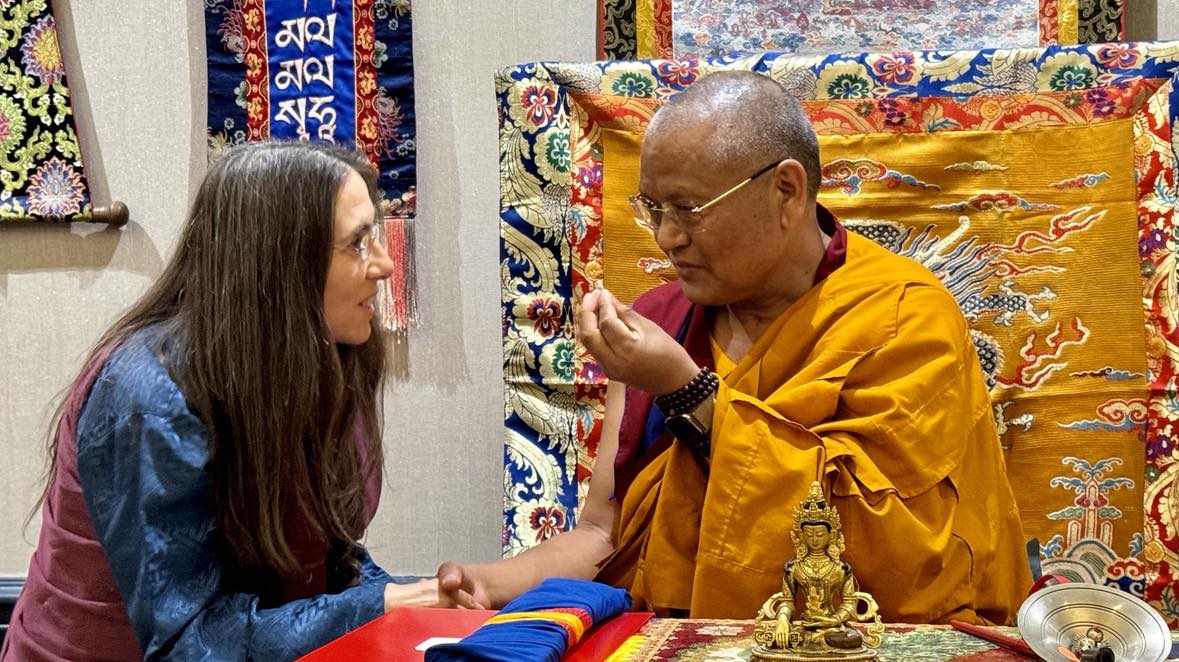
Raven Cypress Wood with His Holiness the 34th Menri Trizin Rinpoche

Raven Cypress Wood ©All Rights Reserved. No content, in part or in whole, is allowed to be used without direct permission from the author.

Did you enjoy this content? This article is made possible by generous donors who want content like this to continue to be available. Don’t want to miss a post? Scroll to the bottom and click “Follow this blog.”

Join the mandala of Nine Ways supporters by donating through one of the services listed below.

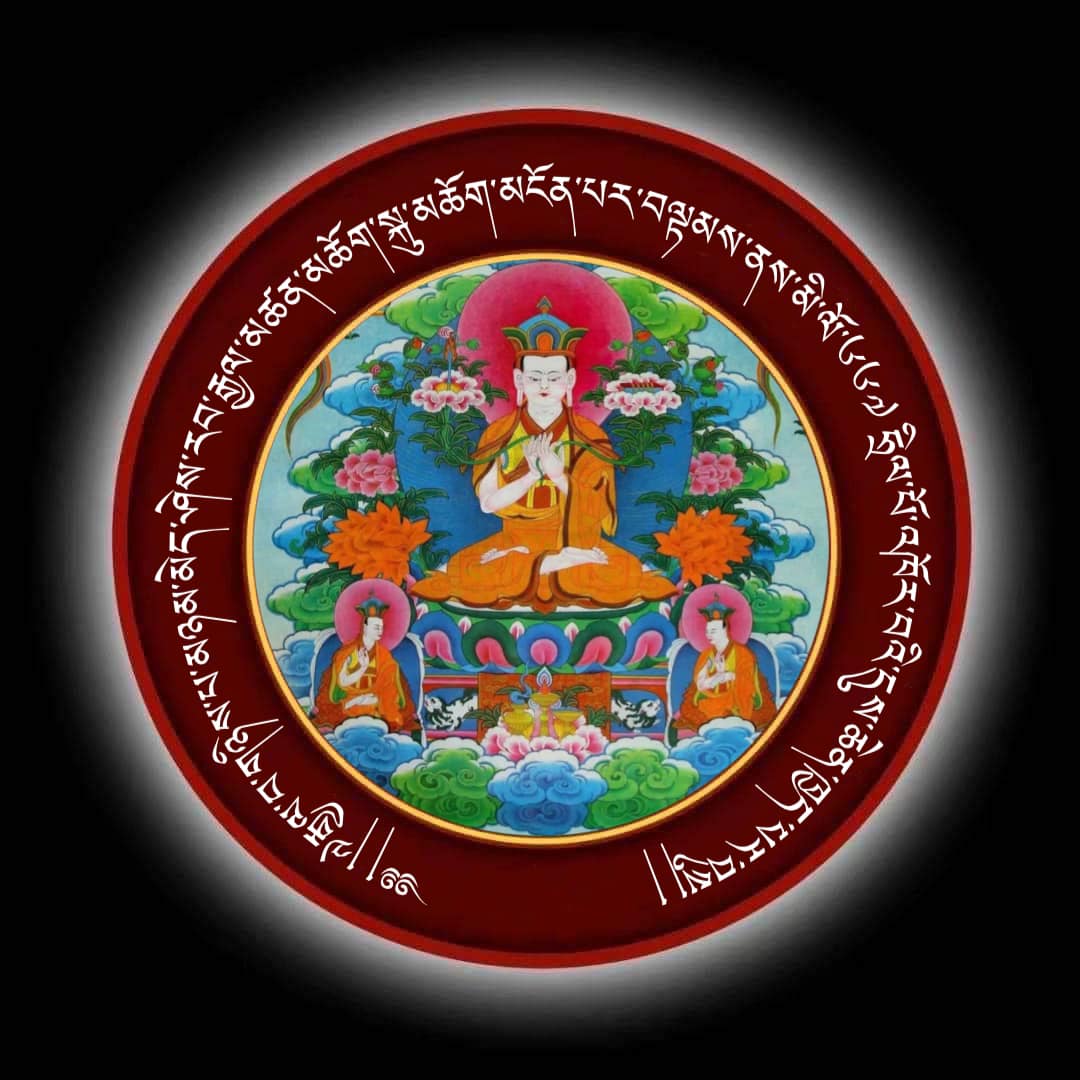
Anniversary of the Passing Away of Kyabgön Dawa Gyaltsen Rinpoche

Kyabgön Dawa Gyaltsen

The anniversary of the passing away of Kyagön Dawa Gyaltsen Rinpoche is the 7th and 8th lunar days of the 11th month. In 2025, these dates coincide with December 26th & 27th on the Western calendar. He was born during the Fire Dragon year of 1796 and founded Ralak Yungdrung Ling Monastery on the bank of the Yarlung Tsangpo River in 1834. This monastery developed into one of the largest and most prestigious centers for learning within the Yungdrung Bön tradition. It was renowned for its extensive library and the fact that it had its own woodblocks to print texts. The monastery contained many golden statues including a gilt-copper image of Nampar Gyalwa that was two-stories high.  It also contained reliquary stupas enshrining the remains of previous abbots. In 1965 during the cultural revolution, the monastery was burned to the ground. In 1982, two monks who had been in residence at the monastery prior to its destruction began the process of reconstruction.

Ralak Yungdrung Ling Monastery in Tibet. Photo credit: Unknown.

Supplication Prayer to the Lord of Refuge Dawa Gyaltsen

“You, a teacher born into the Amdo family lineage of Nangzhik, you spread the unrivaled Bön teachings of the White AH throughout your homeland.

You embody the essence of all buddhas by having having perfected the exalted qualities of the major and minor characteristics.

I pay homage to the Buddha who manifested in human form!”

— Translated from the Tibetan by Raven Cypress Wood

Reliquary containing the sacred relics of Kyabgön Dawa Gyaltsen. Photo credit: Unknown

At the age of sixty-seven during the water dog year of 1862 on the auspicious 8th lunar day of the middle winter month at mid-day, the warmth of his body and his consciousness concentrated at the center of his heart. His eyes looked straight ahead, unmoving. After the third sounding of the syllable “Pé!” related to the transference of consciousness practice, he left the shell of his physical body for the great bliss space of absolute reality.

Raven Cypress Wood ©All Rights Reserved. No content, in part or in whole, is allowed to be used without direct permission from the author.

Did you enjoy this content? This article is made possible by generous donors who want content like this to continue to be available. Don’t want to miss a post? Scroll to the bottom and click “Follow this blog.”

Join the mandala of Nine Ways supporters by donating through one of the services listed below.